
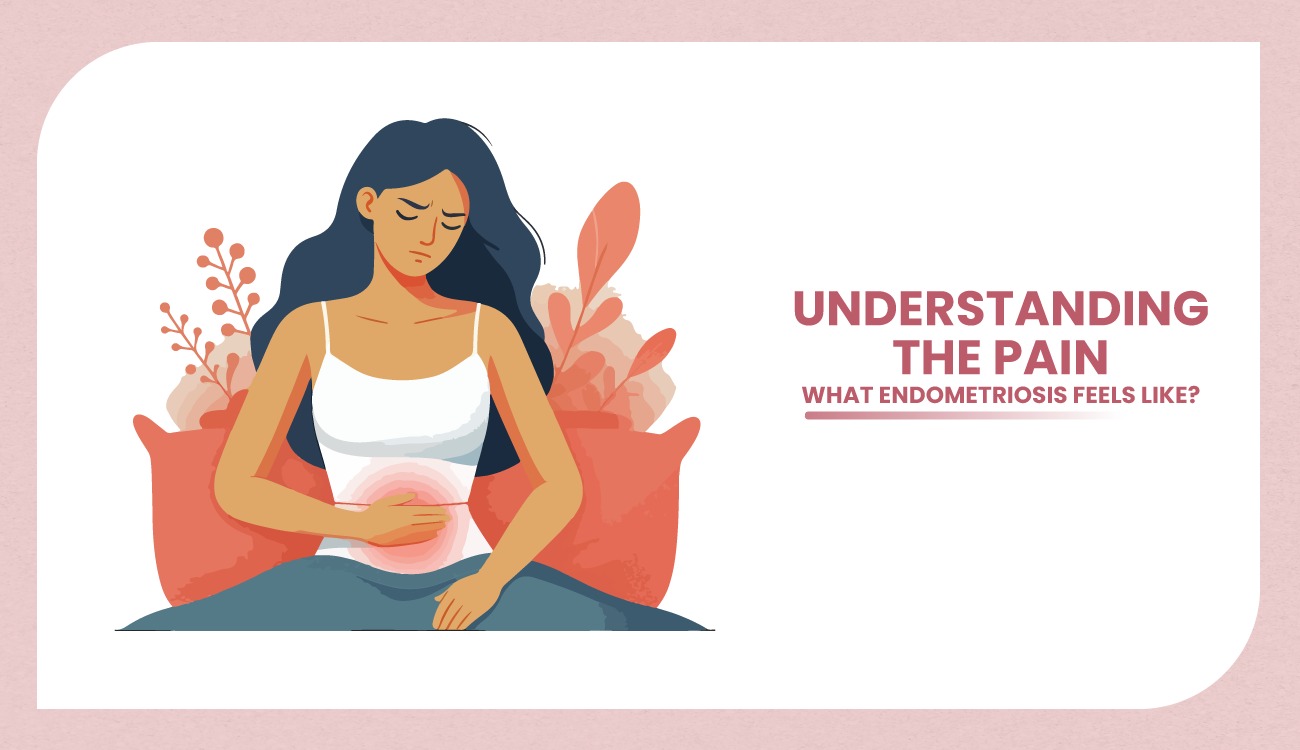
Endometriosis pain is not just physical discomfort; it's a mix of overwhelming sensations that disrupt daily life. Often called a "silent struggle," the condition is misunderstood, as many people endure its effects without visible symptoms. The relentless pain doesn't stop at discomfort—it can make simple tasks feel impossible, strain relationships, and take a toll on emotional well-being, especially when symptoms are dismissed as "just period pain".
In this blog, we aim to illustrate the difficulties that women suffering from endometriosis
face.
What kind of pain does endometriosis cause?
Endometriosis pain is unique to each individual. It greatly depends on the location of the endometrial tissue, its growth, and its interaction with the surrounding organs. This diversity of endometriosis makes it difficult to generalize or measure the severity of the condition. The terms often used to describe it (burning, stabbing, throbbing, distressing, stinging, ripping, aggressive, or sharp) indicate its complex nature.
There are vivid descriptions that women with endometriosis use to describe their condition. Some describe it as sharp, burning, or spasmodic, while others feel it as dull or similar to labor pain. For many the pain can be so severe that women may faint or be unable to function. Many women describe endometriosis as a "shadow" or a "little monster" that follows them around. Some have even gone to describe it as a feeling of someone stabbing them with knitting needles or a curved, serrated sword twisting inside.
Pain from endometriosis can either follow the menstrual cycle or become constant. While cyclical pain is tied to hormonal changes, chronic pain persists regardless of menstruation/ovulation and may be triggered by stress, certain foods, or physical exertion like exercise. Pain may aggravate during intimacy, making sexual activity emotionally and physically taxing.
Pain becomes a daily reality for endo warriors. Sitting for a long time, lifting heavy objects, or even sneezing - everyday actions like these can also trigger intense flare-ups. Flare-ups are periods of extreme pain that vary in sensation. This unpredictable nature of the pain adds to the challenge, as individuals never know when the pain will strike.
Before their diagnosis, many women mistakenly attributed their symptoms to normal menstrual pain. For some, the journey to diagnosis was long and frustrating, often compounded by doctors dismissing their symptoms or attributing them to psychological issues. This lack of understanding from both medical professionals and loved ones can lead to feelings of isolation and frustration.
Here's a closer look at the physical manifestations of endo-pain:
Pelvic pain
One of the most common complaints for women going through endometriosis is pelvic pain. Women experience persistent, dull aches in the lower stomach or pelvic area. Some may even experience sharp and intense cramping. The pain is often so intense it gives a sensation of a heavy weight pressing down, making it difficult to sit or walk comfortably.
The intense lower abdomen pain can also spread to the lower back or thighs. The severity worsens during the menstrual period, but the pain can be chronic and ongoing and can be present even when not menstruating.
Menstrual cramps
Unlike typical cramps, endometriosis-related cramps feel sharper, more intense, and last longer. Hormonal changes during menstruation trigger inflammation, creating waves of escalating discomfort. Heavy bleeding, large blood clots, or prolonged periods can accompany the cramps.
This can make the pain so severe that over-the-counter pain-relief medicines can hardly help. The pain rapidly progresses from mild to severe, disrupting everyday life.
Ovulation pain:
Around the middle of the menstrual cycle, the ovaries release an egg. This process, called ovulation, can cause sharp pain (mittelschmerz) if inflammation or lesions are near the ovaries. The discomfort can last for hours or sometimes days.
Pain during intimacy (Dyspareunia):
When lesions or scar tissue develop in the vaginal walls or lower pelvis, it can cause pain during sexual activity. Inflammation, adhesions, or tissue stretching often leads to physical discomfort.
This type of pain can lead to reduced sexual desire, arousal, and frequency of intimacy. As a result, emotional well-being and relationship may also suffer, as partners may feel disconnected or misunderstood.
Pain with bowel movements or urination:
When endometriosis lesions affect the bladder or bowels, these daily activities become sources of sharp, stabbing pain. Symptoms usually aggravate during menstruation.
Radiating pain:
Sometimes, pain is not restricted to one area. Some individuals feel abdominal pain extending to their lower back, thighs, or hips. This can mimic sciatica, making diagnosis tricky.
Why is endometriosis hard to diagnose?
On average, it takes 7–12 years for a proper diagnosis. The delay is due to:
Symptom overlap:
Endometriosis symptoms overlap with the following conditions, leading to confusion or misdiagnosis. These are:
Fibromyalgia: Causes widespread musculoskeletal pain, fatigue, and cognitive issues often referred to as "fibro fog."
Irritable Bowel Syndrome (IBS): Symptoms include abdominal pain, bloating, and altered bowel habits such as diarrhea or constipation.
Interstitial Cystitis/Painful Bladder Syndrome (IC/PBS): Chronic pelvic pain, frequent urination, and discomfort during bladder filling are common symptoms.
Inflammatory Bowel Disease (IBD): Includes Crohn's disease and ulcerative colitis, characterized by chronic diarrhea, abdominal pain, and rectal bleeding.
Malabsorption Syndromes: Symptoms include chronic diarrhea, bloating, and nutritional deficiencies, leading to weight loss and fatigue.
Malignancies: Can cause unexplained weight loss, persistent pain, fatigue, and localized symptoms depending on the organ affected.
Neuropathic Pain: Affects the nerves, leading to burning, tingling, or stabbing sensations that are persistent and often debilitating.
Ovarian Masses: Can cause pelvic pain, bloating, and changes in menstrual cycles; larger masses may lead to urinary or bowel discomfort.
Overactive Bladder Syndrome (OAB): Symptoms include a sudden, uncontrollable urge to urinate, frequent urination, and nocturia (waking at night to urinate).
Pelvic Floor Dysfunction: Symptoms include pelvic pain, difficulty urinating or having bowel movements, and pain during intercourse.
Uterine Abnormalities: Can cause irregular menstrual bleeding, pelvic pain, and reproductive challenges like infertility or recurrent miscarriages.
Dismissal of pain:
Symptoms can appear soon after menstruation begins, but most diagnoses occur between ages 30 and 40. For many, signs like painful periods or bowel issues are dismissed in adolescence, delaying proper treatment. For some, the journey to diagnosis was long and frustrating. Many felt dismissed by doctors who didn’t recognize their symptoms, sometimes attributing their pain to psychological issues.
After diagnosis, many women found that their friends and family struggled to understand their pain. This lack of empathy was especially common among men, making the women feel isolated and even doubt their own experiences.
Invasive testing:
The only definitive test for endometriosis is laparoscopy, a surgical procedure. The fear of invasive testing makes diagnosis more complex and delayed.
Why is endometriosis pain so intense?
The pain from endometriosis can feel unbearable because multiple factors drive it:
Chronic inflammation:
During menstruation, endometrial-like tissue reacts to hormonal changes by swelling and shedding. Since this tissue is outside the uterus, the blood has nowhere to go, leading to inflammation. Over time, this inflammation damages surrounding tissues and worsens the pain.
Scar tissue and adhesions:
The body forms scar tissue to heal from inflammation or lesions. These adhesions(fibrous tissues) bind organs together, like bladder, colon, small intestines, ovaries, fallopian tubes, and vagina. Sticking of these organs creates a constant pulling sensation, restricting movement and amplifying discomfort. This creates a feeling of being "tied up inside" and restricts normal organ function.
Nerve sensitivity:
Lesions near nerves can heighten pain signals. Pain often spreads beyond the original lesion site, making it harder to pinpoint the source. Even minor movements, such as bending or lifting something, can send sharp, burning sensations throughout the body. Stress, certain foods, or specific movements can suddenly worsen the discomfort.
How do you explain your endo-worries to your healthcare practitioner?
Keeping a symptom diary can be helpful. Note down when symptoms occur and what you did before or during that time. This can help identify patterns, such as symptoms that coincide with your menstrual cycle or specific triggers. Writing out all your symptoms ensures you don't miss any details when talking to your doctor.
When describing your pain to a healthcare provider:
Explain how it feels: Is it stabbing, cramping, or something else?
Describe where it's felt: Is it in one spot, several areas, or widespread?
Rate the intensity: How severe is the pain?
Note changes over time: Does it come and go, follow a cycle, or start mild and worsen?
Include other symptoms: Mention heavy bleeding, bloating, or constipation.
Share anything else relevant: Any information that might help your doctor get the complete picture is important.
Don't downplay your pain. Being honest and detailed is vital to getting the right help.
CTA
Struggling with endometriosis pain? EndoHeal offers holistic solutions tailored to help you live pain-free.Contact us today!
How does endometriosis pain affect life?
Endometriosis doesn't stop at pain; it seeps into every part of life. Chronic pain, defined as pain lasting more than three to six months, is particularly challenging. It can be just as exhausting and overwhelming as the initial pain, creating a cycle of fear, tension, and worsening symptoms. This is how it affects life:
Work
Pain and fatigue make it difficult to concentrate or even attend work, decreasing productivity. Women have to take days off to deal with the debilitating endo-pain that may affect their careers significantly.
Relationships
Chronic pain can create emotional distance. Pain during intimacy adds another layer of stress, often leading to feelings of guilt or frustration in relationships.
Daily activities
During flare-ups, social plans, hobbies, and simple tasks like grocery shopping can feel challenging. This can sometimes cut women off from the social circuit and hinder them from participating in their most loved activities. This can lead to feelings of isolation and lack of confidence, worsening the problem.
Mental health
Constant pain can lead to anxiety and depression. The emotional toll of feeling misunderstood adds to the struggle.
What are nocebo effects and how to reduce them?
What are nocebo effects?
Nocebo effects happen when people expect negative results from treatment, and these expectations can make them feel worse, even if the treatment is not causing those issues. Past experiences, personal beliefs, media, and online communities can influence this. Although online forums can offer support, sometimes misinformation shared in these spaces can create unnecessary fears.
For example, if someone hears about negative side effects from others, they might expect them too, even if they’re not common. Research shows that people who expect bad side effects from medication often experience stronger ones. This is known as symptom misattribution—when normal body sensations are wrongly blamed on the treatment.
Delays in diagnosing endometriosis and repeated visits without answers can also lead to negative expectations, making treatments seem less effective or harder to tolerate.There is still much to learn about how nocebo effects influence treatments for endometriosis, especially through online communities. More research is needed to understand this better.
How to Reduce Nocebo Effects?
Build Trust and Listen:
Healthcare providers should listen carefully to their patients and show empathy. They can talk to patients about their beliefs and expectations. Healthcare providers can customize their treatment plans by understanding their concerns to accommodate each patient's needs.
When discussing treatments, it's helpful to focus on how most people don’t experience serious side effects, which can ease fears while still giving honest information.
Address Misinformation:
The internet is flooded with health information, but everything is not reliable. Collaborating with trusted online communities, doctors can share accurate information and help patients make informed choices.
Transform endo-pain into strength with EndoHeal
Pelvic pain from endometriosis can disrupt daily life. It varies in severity and sensation from person to person. Some experience sharp, cramping pain tied to their menstrual cycle, while others face ongoing discomfort that follows no clear pattern. The intensity of symptoms doesn't always match the condition's severity, which makes diagnosis difficult.
Women with endometriosis want better healthcare, including earlier diagnoses and treatments that take their whole health into account. They also hope for better communication from doctors, with clear explanations of the condition and treatment options. Many also want to raise public awareness to reduce the stigma around menstrual health and endometriosis. Ultimately, women with endometriosis want their pain taken seriously, with more support and understanding from both healthcare providers and society.
At EndoHeal, we understand the multifaceted nature of endometriosis pain and its impact on overall well-being. We offer personalized, holistic treatment plans that combine tailored exercise routines, dietary adjustments, and effective medications. Our comprehensive approach aims to manage and significantly reduce pain, with guaranteed results within 90 days.
If you're living with endometriosis symptoms, don't wait to seek help. Early intervention aids in preventing complications and reclaiming your life. EndoHeal is here to support you every step of the way on your journey to wellness.
Meta
Understand endo-pain and its deep-rooted impact. Explore EndoHeal's holistic treatment plans for relief. Reach out to us today for a personalized solution.
Citations: